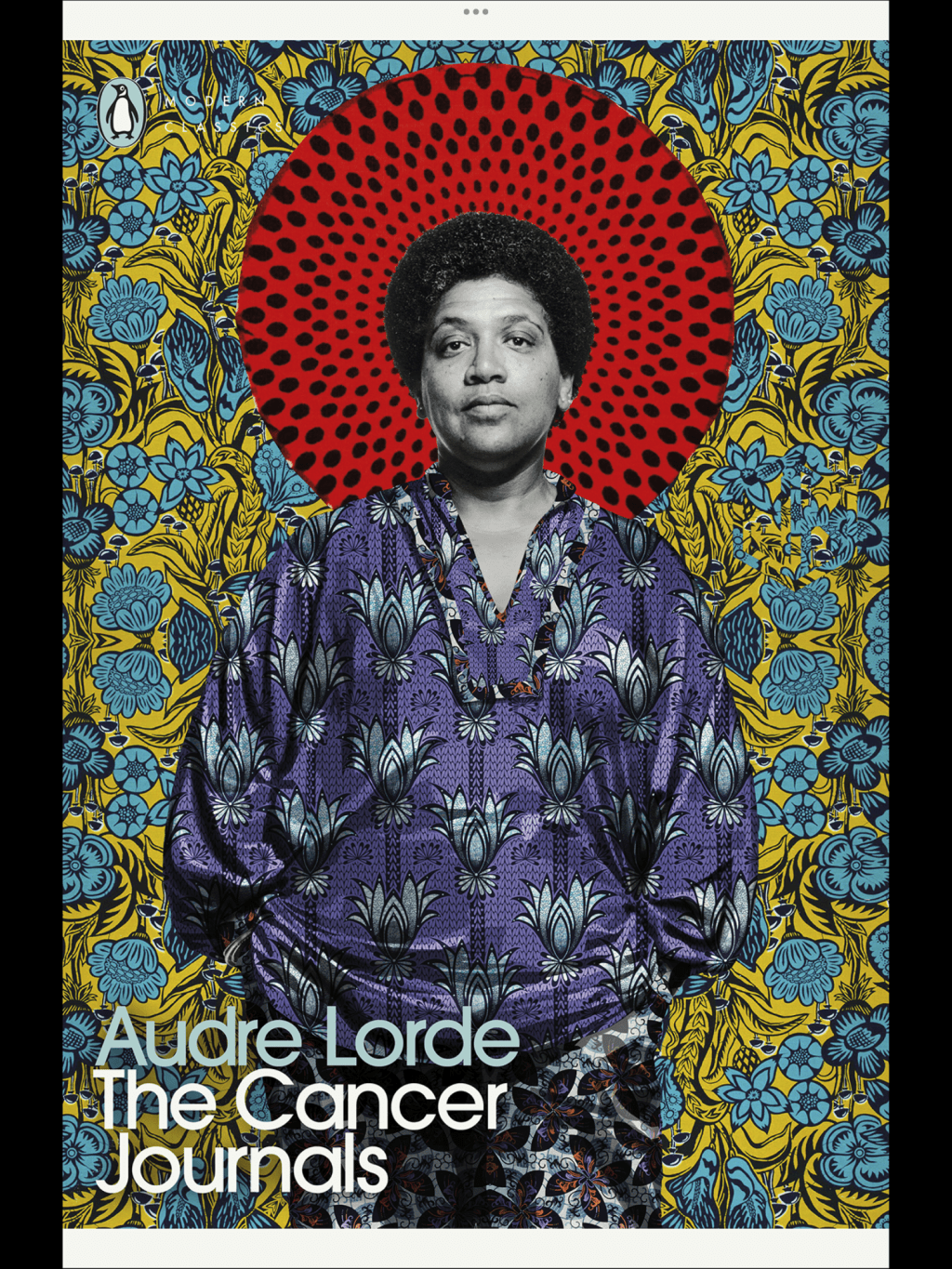
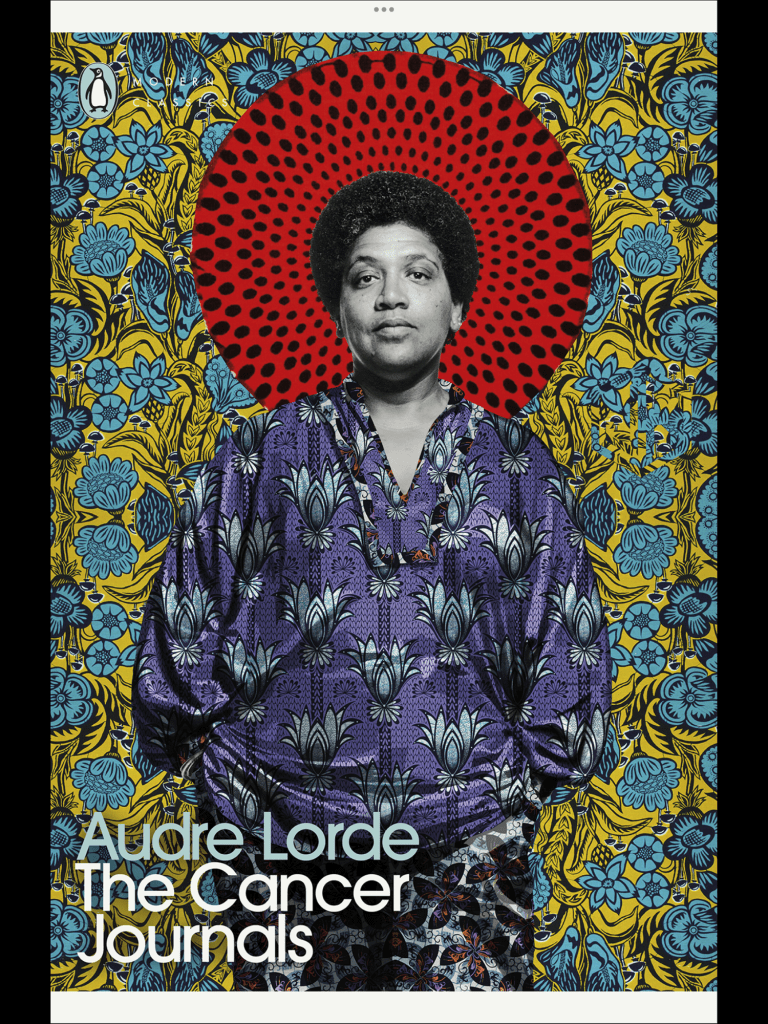
Audre Lorde: the cancer journals
Breve estratto:
«(…) Esiste una comunanza di isolamento e di doloroso ripensamento che accomuna tutte le donne colpite da tumore al seno, indipendentemente dal fatto che questa comunanza venga riconosciuta oppure no. Non è mia intenzione giudicare la donna che ha scelto la strada della protesi, del silenzio e dell’invisibilità, la donna che desidera essere “la stessa di prima”. È sopravvissuta grazie a un altro tipo di coraggio, e non è sola. Ognuna di noi lotta ogni giorno contro le pressioni del conformismo e contro la solitudine della differenza, dalle quali quelle scelte sembrano offrire una via di fuga. Io so soltanto che quelle scelte non funzionano per me, né per le altre donne che, non senza paura, sono sopravvissute al cancro esaminandone il significato all’interno delle nostre vite e tentando di integrare questa crisi in forze utili al cambiamento.
(…) Eppure una donna che ha un solo seno e rifiuta di nascondere questo fatto dietro un patetico batuffolo di lana che non ha alcuna relazione né somiglianza con il proprio seno, una donna che sta cercando di fare i conti con il mutato paesaggio del suo corpo e con il nuovo ritmo imposto alla sua vita, con il proprio corpo, il proprio dolore, la propria bellezza e la propria forza, viene considerata una minaccia per il “morale” dello studio di un chirurgo senologo!
(…) La protesi offre il vuoto conforto del: “Nessuno noterà la differenza”. Ma è proprio quella differenza che io desidero affermare, perché l’ho vissuta, le sono sopravvissuta e desidero condividere quella forza con altre donne. Se vogliamo trasformare il silenzio che circonda il tumore al seno in linguaggio e azione contro questo flagello, allora il primo passo è che le donne sottoposte a mastectomia diventino visibili le une alle altre. Perché silenzio e invisibilità vanno di pari passo con l’impotenza. Accettando la maschera della protesi, noi donne con un solo seno proclamiamo noi stesse insufficienti e dipendenti dalla finzione. Rafforziamo il nostro isolamento e la nostra invisibilità reciproca, così come la falsa compiacenza di una società che preferirebbe non confrontarsi con le conseguenze delle proprie follie. Inoltre, ci priviamo reciprocamente di quella visibilità e di quel sostegno che sono di così grande aiuto per acquisire prospettiva e accettazione di sé. Circondata ogni giorno da altre donne che sembrano tutte avere due seni, a volte mi è molto difficile ricordare che NON SONO SOLA. Eppure, una volta che affronto la morte come parte del processo della vita, che cosa può restarmi davvero da temere? Chi potrà mai avere di nuovo potere su di me?
Come donne, non possiamo permetterci di distogliere lo sguardo, né di considerare l’incidenza del tumore al seno come un problema personale, privato o segreto. Non è un segreto che il tumore al seno sia in aumento tra le donne negli Stati Uniti.
(…) Gli atteggiamenti riguardo alla presunta necessità delle protesi dopo un intervento al seno non sono che il riflesso degli atteggiamenti della nostra società nei confronti delle donne in generale, considerate come comodità sessuali oggettificate e spersonalizzate. Siamo state programmate a guardare ai nostri corpi soltanto in termini di come appaiono e di come sono percepiti dagli altri, invece che di come li percepiamo noi stesse e di come desideriamo usarli. Siamo circondate da immagini mediatiche che rappresentano le donne come essenzialmente macchine decorative al servizio del consumo, costantemente impegnate a combattere contro un decadimento inarrestabile. («Prendi le vitamine tutti i giorni e lui potrebbe continuare a volerti, purché tu non dimentichi di sbiancarti i denti, coprire i tuoi odori, tingere i capelli grigi e spianare le rughe…»).
Come donne, combattiamo ogni giorno contro questa spersonalizzazione, contro la pressione a convertire l’immagine di noi stesse in un’aspettativa mediatica di ciò che potrebbe soddisfare il desiderio maschile. L’insistenza sulle protesi mammarie come qualcosa di “decoroso” anziché funzionale è un ulteriore esempio di quell’annullamento del sé al quale le donne sono costantemente incoraggiate a partecipare. Personalmente, trovo offensivo il messaggio secondo cui sarei accettabile soltanto se apparissi “giusta” o “normale”, quando quelle norme non hanno nulla a che vedere con la mia percezione di chi sono. (…)
“(…) There is a commonality of isolation and painful reassessment which is shared by all women with breast cancer, whether this commonality is recognized or not. It is not my intention to judge the woman who has chosen the path of prosthesis, of silence and invisibility, the woman who wishes to be ‘the same as before.’ She has survived on another kind of courage, and she is not alone. Each of us struggles daily with the pressures of conformity and the loneliness of difference from which those choices seem to offer escape. I only know that those choices do not work for me, nor for other women who, not without fear, have survived cancer by scrutinizing its meaning within our lives, and by attempting to integrate this crisis into useful strengths for change. (…) Yet a woman who has one breast and refuses to hide that fact behind a pathetic puff of lambswool which has no relationship nor likeness to her own breasts, a woman who is attempting to come to terms with her changed landscape and changed timetable of life and with her own body and pain and beauty and strength, that woman is seen as a threat to the “morale” of a breast surgeon’s office! (…) Prosthesis offers the empty comfort of “Nobody will know the difference.” But it is that very difference which I wish to affirm, because I have lived it, and survived it, and wish to share that strength with other women. If we are to translate the silence surrounding breast cancer into language and action against this scourge, then the first step is that women with mastectomies must become visible to each other.1 For silence and invisibility go hand in hand with powerlessness. By accepting the mask of prosthesis, one-breasted women proclaim ourselves as insufficients dependent upon pretense. We reinforce our own isolation and invisibility from each other, as well as the false complacency of a society which would rather not face the results of its own insanities. In addition, we withhold that visibility and support from one another which is such an aid to perspective and self-acceptance. Surrounded by other women day by day, all of whom appear to have two breasts, it is very difficult sometimes to remember that I AM NOT ALONE. Yet once I face death as a life process, what is there possibly left for me to fear? Who can every really have power over me again? As women, we cannot afford to look the other way, nor to consider the incidence of breast cancer as a private nor secret personal problem. It is no secret that breast cancer is on the increase among women in America. (…) Attitudes toward the necessity for prostheses after breast surgery are merely a reflection of those attitudes within our society towards women in general as objectified and de-personalized sexual conveniences. Women have been programmed to view our bodies only in terms of how they look and feel to others, rather than how they feel to ourselves, and how we wish to use them. We are surrounded by media images portraying women as essentially decorative machines of consumer function, constantly doing battle with rampant decay. (Take your vitamins every day and he might keep you, if you don’t forget to whiten your teeth, cover up your smells, color your grey hair and iron out your wrinkles.…) As women, we fight this depersonalization every day, this pressure toward the conversion of one’s own self-image into a media expectation of what might satisfy male demand. The insistence upon breast prostheses as ‘decent’ rather than functional is an additional example of that wipe-out of self in which women are constantly encouraged to take part. I am personally affronted by the message that I am only acceptable if I look ‘right’ or ‘normal,’ where those norms have nothing to do with my own perceptions of who I am. (…)
 DOLCI QUANTO BASTA
Lascia un commento